
Apr 21, 2026
European Battery Alliance Annual Event highlights the shift to industrial execution in Europe’s battery ecosystem
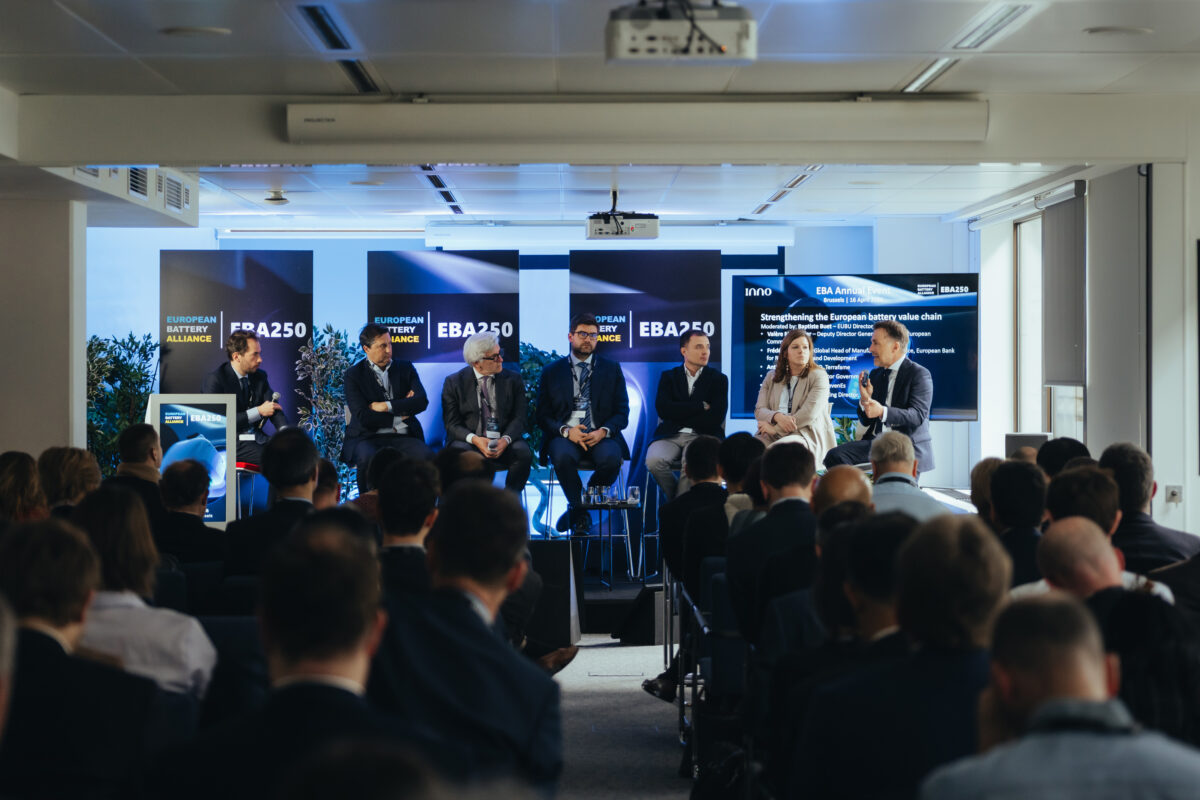
The European Battery Alliance (EBA) Annual Event, hosted by InnoEnergy, brought together nearly 100 senior representatives from policy, industry, finance and innovation ecosystems. Discussions focused on a common challenge: how Europe is transitioning from a strong pipeline of battery value chain projects, to industrial-scale execution.
Over the past years, Europe has made significant progress in building a comprehensive battery ecosystem, supported by strong policy frameworks, growing industrial capacity and increasing investment activity. However, the current phase is fundamentally different. The challenge is no longer to launch projects, but to bring them to industrial scale, ensure their competitiveness and secure long-term market viability. This shift from development to execution framed the discussions throughout the event.
“Bringing together industry leaders, policymakers and financial institutions is not only a privilege – it is a necessity. Europe’s ability to build a competitive and resilient battery value chain depends on the strength of our collaboration.” – Emma Nehrenheim, Managing Director, European Battery Alliance
This perspective set the tone for the discussions, highlighting the importance of alignment between industry, policy and capital to enable the next phase of industrial development.
A system-wide approach to industrialisation
As keynote speaker, Bertrand L’Huillier, Head of Cabinet to EVP Stéphane Séjourné, European Commission stressed the strategic relevance of batteries for Europe and underlined that building a competitive European battery industry requires a fully integrated approach across the value chain. From raw materials and processing to cell manufacturing and recycling, success depends on combining multiple levers at once: public and private investment, innovation, regulatory frameworks and market instruments.
“If you want industrial plans to succeed, you need to work across the entire value chain. If one element is missing, the system does not work. All levers must be activated in a coordinated manner.” – Bertrand L’Huillier, Head of Cabinet to EVP Stéphane Séjourné, European Commission
From project pipeline to industrial ramp-up
Europe is entering a decisive phase, with battery projects moving from development into production and several gigafactories progressing through ramp-up across the continent. This transition brings a new set of challenges, as the focus shifts from securing initial investment to ensuring successful ramp-up, operational excellence and long-term competitiveness.
“There is a kind of waiting room today. Projects are there, but investment decisions take time.” – Frédéric Lucenet, Global Head of Manufacturing & Services, European Bank for Reconstruction and Development
“This is not only a challenge – it is an opportunity to design the industrial future of Europe.” – Antoine Troesch, Managing Director, DEMEA-SI
Despite improved access to capital, investment decisions remain sensitive to cost structures, risk allocation and market demand. In this context, new financial instruments such as the Battery Booster Facility, including €1.5 billion in the form of interest-free loans and additional measures targeting critical raw materials, were highlighted as urgent and important steps to support European cell manufacturers during the ramp-up phase.
“Europe has built a strong project pipeline. The focus now must be on execution – ensuring that projects can scale, attract investment and reach the market. Policy signals and the EU public finance toolbox are decisive enablers.” – Baptiste Buet, EUBU Director, InnoEnergy
Market creation as a critical enabler
A recurring theme throughout the discussions was the importance of demand. Public support mechanisms can accelerate development, but they cannot replace market dynamics. Lead markets, procurement and demand-side measures will play a key role in ensuring that European production translates into viable and competitive business models.
“One of the key de-risking elements is our integrated value chain approach, focused on strengthening resilience, boosting competitiveness, and ensuring the EU captures its share of fast-growing markets like cleantech. This is not a burden, but an opportunity to rebuild Europe’s industrial strength by leveraging its innovation and global potential, while supporting both capacity building and market development in close partnership with industry.” – Valère Moutarlier, Deputy Director General, DG GROW, European Commission
In parallel, evolving policy frameworks, including initiatives such as the Industrial Accelerator Act, are increasingly focusing on strengthening demand and supporting Europe’s industrial base.
Innovation moving towards industrial scale
Alongside policy and financing discussions, the event showcased a broad range of technologies advancing towards industrial deployment. These included alternative chemistries such as sodium-ion, advanced materials and processing technologies, next-generation battery components and recycling solutions. Companies including Altris, ALKEEMIA, Kore Metals, NanoOne, BasqueVolt and RefinyX illustrated how innovation in Europe is increasingly focused not only on technological performance, but also on scalability and integration within industrial value chains.
“The timeframe is very limited. If key measures are not implemented in the coming years, we risk losing momentum.” – Ruth Lambrechts, Director of Government Affairs, Umicore
“I’m still amazed by the quality of the projects in Europe… the alignment between policy, investors and industry is improving, and results will come.” – Antti Koulumies, CEO, Terrafame
A decisive moment for Europe
Europe has established a strong foundation for the development of its battery ecosystem, combining technological capabilities, industrial expertise and access to capital. The priority now is to accelerate execution, strengthen market conditions and maintain alignment between policy, industry and financial stakeholders. As Europe enters this next phase, coordinated action across the ecosystem will be essential to translate ambition into industrial reality.
By aligning these industrial ambitions with supportive European policy frameworks, the European Battery Alliance continues its commitment to building a resilient, competitive, and sustainable battery value chain that underpins Europe’s industrial and strategic objectives.
More EBA250 news

The European Battery Alliance (EBA) welcomes today’s announcement by Executive Vice-President Stéphane Séjourné on…
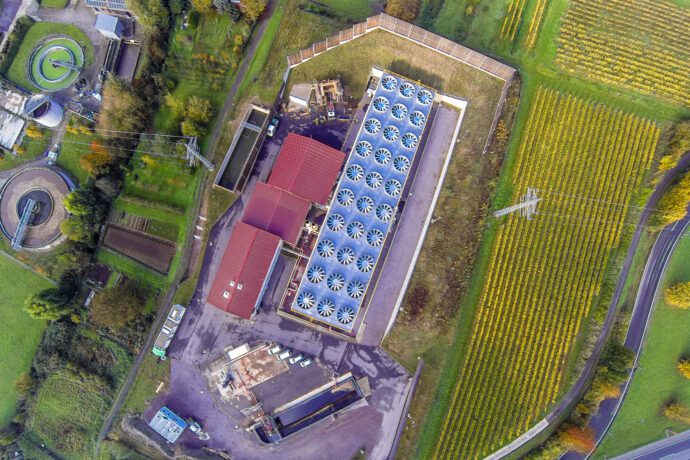
Vulcan Energy has reached a major milestone with the Final Investment Decision (FID) for…
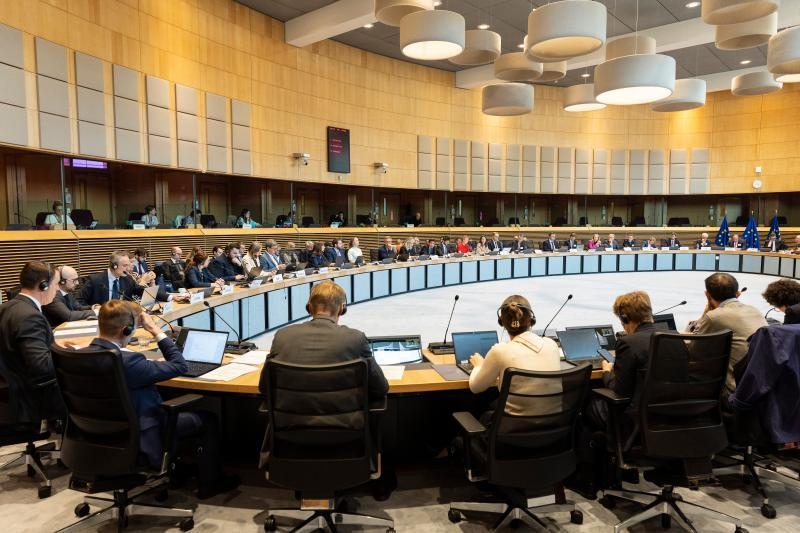
Today, a joint High-Level Ministerial Meeting of the European Battery Alliance (EBA) and the…
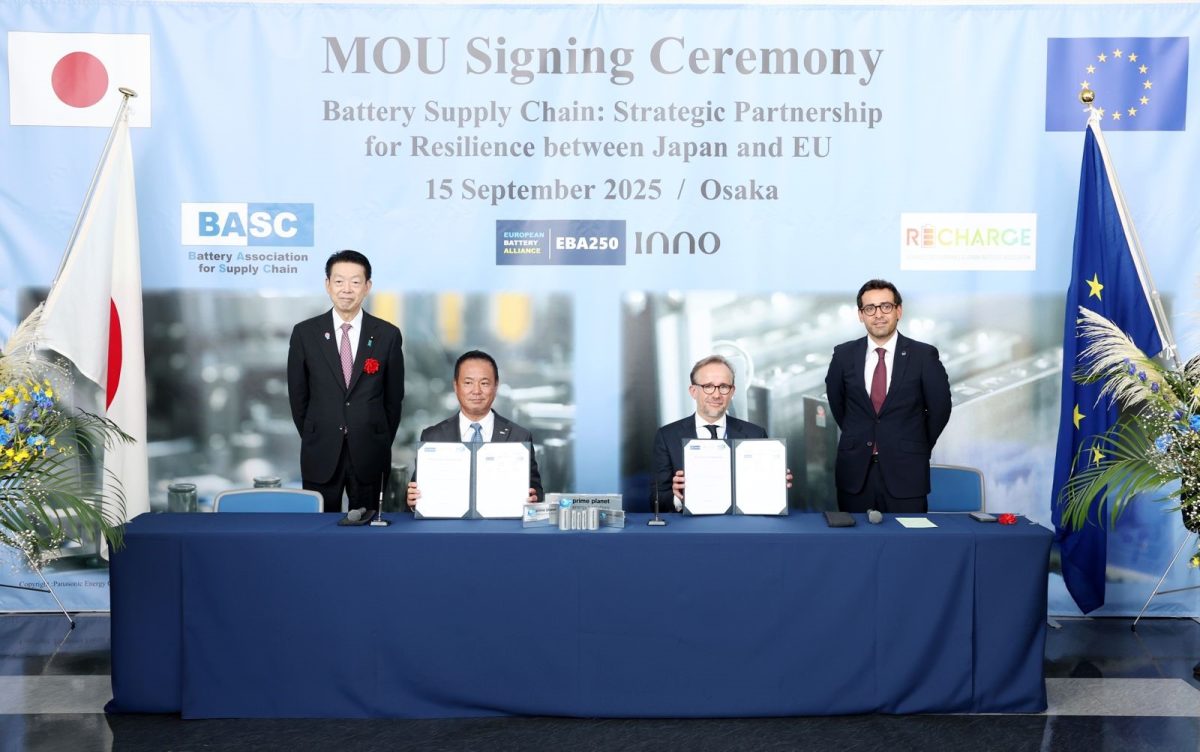
We are pleased to announce that today we have signed a Memorandum of Understanding…
The European battery sector does not need a new strategy – it needs a…
U.S.-based battery innovator Lyten has signed binding agreements to acquire all of Northvolt’s remaining…
The European Battery Alliance (EBA) welcomes the European Commission’s swift decision to award €852…
Last week, the European Commission published the Clean Industrial Deal State Aid Framework (CISAF),…

We are pleased to welcome Emma Nehrenheim as new Managing Director of the European…
As Europe’s battery cell manufacturers face increasing competitive pressure, EBA250 remains actively engaged in…